
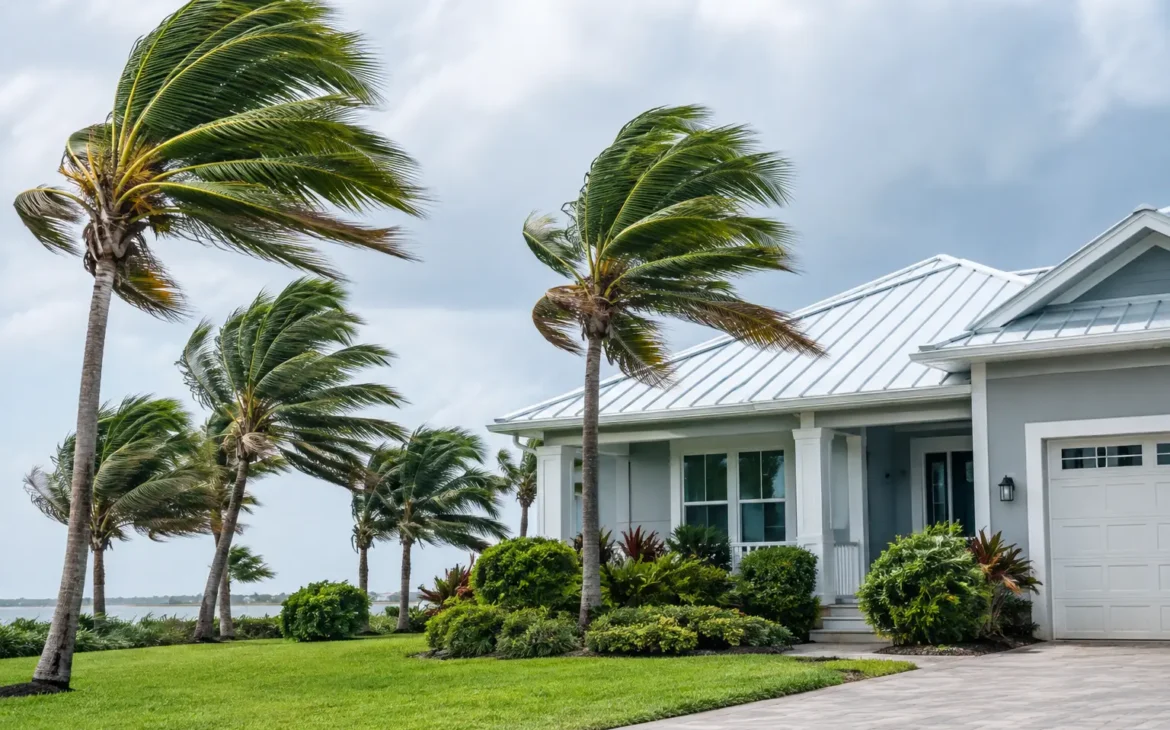
A Florida property can look perfectly protected on paper until a hurricane warning is issued and the homeowner notices a separate wind deductible. This Florida windstorm insurance guide helps you read beyond the premium, understand where your responsibility begins, and compare policies with the next storm season in mind.
For most homeowners, the question is not whether wind coverage matters. It is whether the policy’s limits, deductible, roof terms, and exclusions would leave them able to recover after a serious loss. The answer can vary significantly between carriers and even between two policies with similar annual premiums.
What Windstorm Insurance Covers in Florida
Windstorm insurance generally pays for direct physical damage caused by high winds, including damage from hurricanes, tropical storms, tornadoes, and other wind events, subject to the terms of the policy. On a typical Florida homeowners policy, this may include wind damage to the roof, siding, windows, attached structures, personal belongings, and interior finishes when wind creates an opening that allows rain inside.
Coverage is not a blank check. The insurer will look at the cause of loss, the condition of the property, applicable policy limits, and the deductible. For example, wind may tear shingles from a roof and allow water to damage a ceiling. That is often evaluated differently from water that enters because of long-standing roof deterioration or a pre-existing leak.
Wind coverage may be included in a standard homeowners policy, but it can also be limited, excluded, or handled through a separate policy depending on the home’s location, age, construction, and carrier. Some coastal homeowners may need a policy structure that combines coverage from more than one source.
Wind Damage Is Not Flood Damage
This distinction causes costly surprises after hurricanes. Rain driven through a wind-damaged opening may be covered when wind is a covered cause of loss. Water that rises from outside the home, enters from storm surge, or accumulates from overflowing waterways is generally considered flood damage and requires separate flood insurance.
A single storm can cause both types of damage. That means a homeowner may need wind coverage and flood coverage to avoid a major gap. Neither should be assumed from the other.
The Deductible Can Matter More Than the Premium
Florida windstorm deductibles are commonly higher than the all-other-perils deductible. Rather than a flat dollar amount, the wind or hurricane deductible may be stated as a percentage of the dwelling coverage limit.
For a home insured for $500,000, a 2% hurricane deductible would mean the homeowner is responsible for the first $10,000 of covered damage. A 5% deductible would raise that responsibility to $25,000. The lower-premium option may be attractive, but it may not be the better value if the deductible is difficult to pay after a storm.
Policies use different deductible wording. One may apply a hurricane deductible only during a defined hurricane event, while another may address named storms or wind losses differently. The trigger dates and conditions are set by the policy and Florida insurance rules, so homeowners should ask for a clear explanation before binding coverage.
A practical approach is to compare the annual savings against the amount you would have to fund out of pocket. If choosing a higher deductible saves $1,000 per year but increases your potential responsibility by $15,000, make sure your emergency savings can realistically absorb that risk.
What to Review Before You Buy or Renew
A declaration page is useful, but it does not tell the whole story. The policy form, endorsements, and roof settlement provisions can materially affect a claim. When comparing Florida windstorm insurance, focus on the protection behind the price.
Pay particular attention to these items:
- Dwelling limit: This should reflect the estimated cost to rebuild the home, not simply its market value or mortgage balance. Construction costs can rise quickly after widespread storm damage.
- Wind and hurricane deductibles: Confirm whether they are flat-dollar or percentage deductibles, when each applies, and what the actual dollar amount would be.
- Roof coverage: Ask whether roof damage is settled on a replacement cost or actual cash value basis. Actual cash value factors in depreciation and can leave an older roof owner with a larger gap.
- Ordinance or law coverage: If local building codes require upgrades during reconstruction, this coverage may help with costs that a base dwelling limit does not fully address.
- Loss of use coverage: If storm damage makes the home unlivable, this can help with additional living expenses such as temporary housing and meals, within policy limits.
- Personal property and detached structures: Make sure limits are adequate for belongings, sheds, fences, pool screens, and other features that may have separate coverage rules or sublimits.
A lower rate can still be a sound choice when the deductible, roof terms, and limits fit your financial position. It becomes a problem when the premium is low because critical protection was reduced without the homeowner understanding the trade-off.
Roof Age, Inspections, and Mitigation Credits
In Florida, the roof often has an outsized effect on insurance availability and cost. Carriers may consider roof age, material, condition, maintenance history, and inspection findings when deciding whether to offer or renew coverage. A roof that appears functional to a homeowner may still raise underwriting concerns if its remaining life is limited.
Wind mitigation features can improve both protection and eligibility for discounts. Features such as hurricane-rated openings, impact-resistant windows, roof-to-wall connections, reinforced roof decking, and certain roof shapes may qualify for credits when documented through an appropriate inspection.
Do not assume an older wind mitigation report will produce the same results forever. Improvements, repairs, and changes in carrier underwriting can affect how credits are applied. If you have upgraded shutters, windows, doors, or roofing components, ask whether a new inspection could support updated discounts.
Why Market Comparison Is Especially Valuable in Florida
Florida’s property insurance market changes often. Carrier appetite, inspection requirements, deductible options, and eligibility guidelines can shift from one renewal period to the next. A policy that was a good fit two years ago may no longer provide the best balance of price and protection.
Comparing coverage is not only about finding the lowest quote. It is about reviewing whether the quoted insurer offers the deductible structure you can manage, acceptable roof provisions, sufficient rebuilding limits, and service that fits your needs. Some homeowners may find a standard admitted carrier is available. Others may need to consider alternative markets when property characteristics or location narrow the options.
An independent agent can help make that comparison more useful by placing the quotes side by side and identifying meaningful differences. LS Premier helps Florida homeowners evaluate available options based on their property, budget, and coverage priorities, rather than treating every policy as interchangeable.
A Few Steps That Make a Future Claim Easier
Insurance decisions work best when paired with basic property preparation. Keep a current photo or video inventory of the home and major belongings, including serial numbers and receipts for valuable items when available. Store copies of the policy, inspections, mitigation documents, and repair records somewhere accessible if the home is damaged.
Before storm season, inspect loose exterior items, confirm shutters can be deployed, trim hazardous branches, and address maintenance issues rather than waiting for a claim. These steps do not replace insurance, but they can reduce damage and help demonstrate that the property has been maintained.
If damage occurs, protect the property from further loss when it is safe to do so, document the damage before repairs begin, and keep receipts for reasonable emergency measures. Avoid signing broad repair agreements before you understand the contractor’s terms and your insurer’s claim process.
Florida Windstorm Insurance Questions Worth Asking
The most useful question is not, “Do I have wind coverage?” Ask, “What would I pay, and what would the policy pay, if a major storm damaged my roof and interior tomorrow?” That question brings the deductible, roof settlement method, dwelling limit, flood exposure, and temporary living expense coverage into one practical conversation.
Also ask whether your current coverage has changed at renewal, whether your roof documentation is current, and whether a mitigation inspection could affect pricing. Homeowners with rental properties or businesses should review those policies separately, since commercial property and landlord coverage have different forms, limits, and income-loss considerations.
The right policy is the one you can afford to keep and rely on when weather conditions are at their worst. A careful review before the forecast turns gives you more choices, more clarity, and a far better chance of recovering with confidence.