
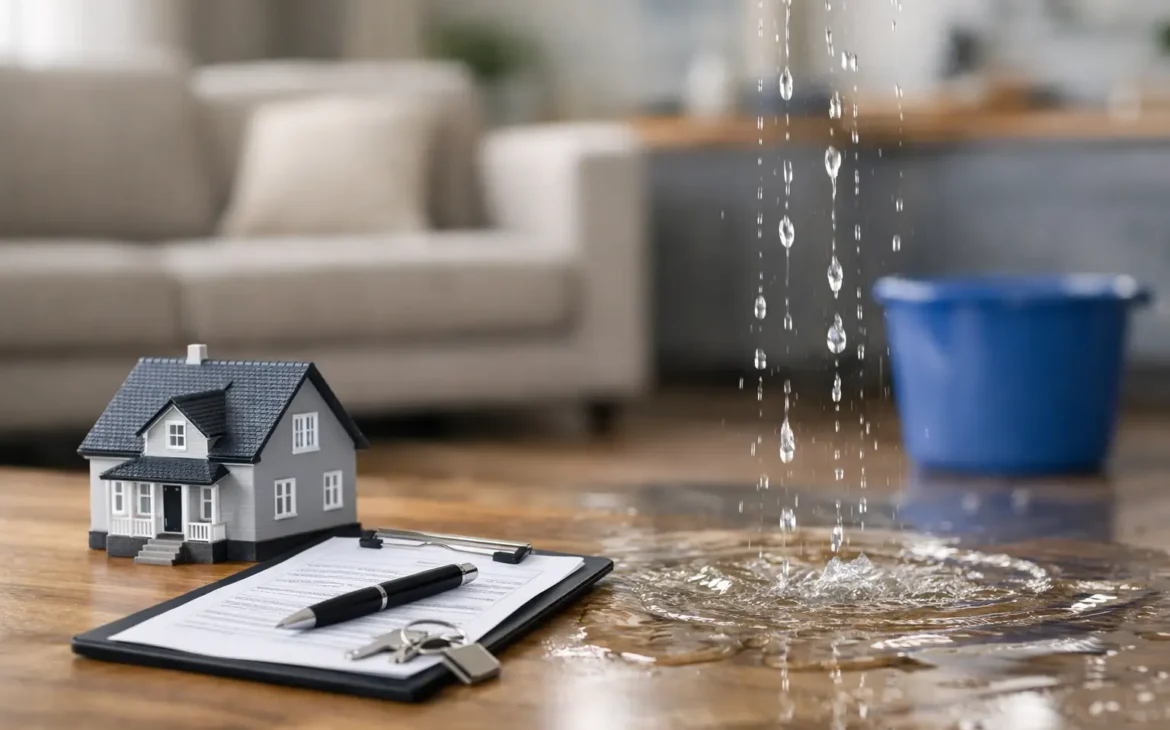
A burst pipe at 2 a.m. can turn a normal week into a very expensive one. That is usually when homeowners start asking the question that matters most: does home insurance cover water damage? The short answer is yes, sometimes. The better answer is that coverage depends on how the water damage happened, how quickly you responded, and what your policy actually says.
That distinction matters. Many homeowners assume any water inside the house is covered. In reality, insurance companies look closely at the source of the water, whether the damage was sudden or gradual, and whether the issue could have been prevented through normal maintenance.
When home insurance covers water damage
In most standard homeowners policies, water damage is covered when it is sudden and accidental. If a pipe unexpectedly bursts, an appliance hose fails, or water escapes from a plumbing system without warning, the resulting damage to your home is often covered.
For example, if a washing machine supply line breaks and floods the laundry room, your policy may help pay for damaged flooring, drywall, baseboards, and certain personal belongings. If a water heater suddenly ruptures, the same general principle often applies. Coverage is usually focused on the damage caused by the water, not always the failed appliance or pipe itself.
This is where homeowners can get caught off guard. A policy may pay to repair the ceiling that was soaked by a broken pipe, but not necessarily the old pipe that failed. Some policies may also help with tearing out and replacing part of a wall or floor to access a plumbing issue, but that varies by carrier and policy form.
If the damage makes your home temporarily unlivable, your policy may also include loss of use coverage. That can help with extra living expenses such as hotel stays, meals, or temporary housing while repairs are being completed.
When home insurance does not cover water damage
The most common reason a water claim gets denied is that the damage was not sudden. Insurance is designed for accidental, unexpected loss. It is not a maintenance plan.
If a slow leak under a sink has been dripping for months, or if a roof leak has been ignored long enough to cause stains, rot, or mold, your insurer may deny all or part of the claim. The same issue applies to neglected caulking, worn-out plumbing, repeated seepage, or unresolved drainage problems. From the carrier’s perspective, those are preventable conditions.
Another major exclusion is flooding from outside the home. If heavy rain causes rising water to enter through doors, windows, or the foundation, standard home insurance usually does not cover that damage. Flood insurance is a separate policy.
Sewer backup is another gray area that many people misunderstand. If water backs up through a drain or sump pump and damages your home, that loss is often excluded unless you added a water backup endorsement. Without that extra protection, a costly cleanup may come out of pocket.
Home insurance cover water damage – but not every kind
The phrase home insurance cover water damage sounds simple, but there are really several categories of water loss. Insurance companies treat them very differently.
Water from within the home, such as plumbing, HVAC systems, or appliances, is often covered if the event is sudden and accidental. Water entering from outside, such as floodwater, surface water, or storm surge, is usually excluded under a standard homeowners policy. Water that results from long-term wear, neglect, or deferred repairs is also commonly excluded.
That means two claims that look similar on the surface can be handled very differently. A ceiling collapse from a pipe that burst yesterday may be covered. A ceiling collapse from a leak that has been developing for six months may not be.
What about roof leaks and storm damage?
Roof-related water damage often depends on what caused the opening. If wind or hail damages the roof and rain enters afterward, the resulting interior water damage may be covered because the storm created a sudden accidental opening.
If the roof was simply old, worn out, or poorly maintained, coverage becomes less likely. Insurers often expect homeowners to maintain roofing systems before failure occurs. They may pay for interior damage caused by a covered storm event, but not for replacing an aging roof that reached the end of its useful life.
This is one of the reasons claims reviews can feel inconsistent to homeowners. The water itself is not the only issue. The carrier also examines the underlying cause.
Personal property and water damage claims
Water damage claims do not only involve the structure of the house. Furniture, rugs, electronics, clothing, and other belongings may also be affected.
Whether those items are covered depends on the same general rules. If the source of water is from a covered event, your personal property may be covered as well, subject to your deductible and policy limits. If the cause is excluded, such as flood or long-term seepage, your belongings may not be covered under the homeowners policy either.
It also matters whether your policy covers belongings at actual cash value or replacement cost. Actual cash value factors in depreciation, which means older items may be reimbursed for less than what it costs to replace them today. Replacement cost coverage generally offers stronger protection.
How insurers evaluate a water damage claim
After you file a claim, the insurer typically wants to confirm the cause, timing, and extent of the damage. They may send an adjuster, request photos, review repair estimates, and ask when you first noticed the problem.
Your response in the first 24 to 48 hours also matters. Homeowners are expected to take reasonable steps to prevent further damage. That can include shutting off the water, contacting a mitigation company, removing wet items, and documenting everything. If damage gets worse because no action was taken, that added cost may not be covered.
Good documentation helps. Photos, videos, receipts, plumber reports, and a written timeline can all support your claim. The cleaner the record, the easier it is to show that the event was sudden and accidental rather than ongoing.
How to reduce claim surprises before damage happens
The best time to review water damage coverage is before there is water in the hallway. Many homeowners do not know what is in their policy until they need to use it.
Start by checking whether your policy includes any limitations for hidden leaks, mold, or plumbing access. Ask whether water backup coverage has been added. If you live in a flood-prone area, or even near one, ask whether a separate flood policy makes sense. Standard home insurance and flood insurance are not interchangeable.
It is also smart to look at your deductible. A higher deductible may lower your premium, but it also means more out of pocket when a claim happens. For water losses, which can become expensive quickly, that trade-off deserves careful attention.
An independent agency can help here because different carriers handle water-related endorsements and claim language differently. Comparing options side by side often reveals gaps that are easy to miss when you only look at price.
Does home insurance cover water damage from frozen pipes?
Often yes, but there is a catch. If freezing causes a pipe to burst, the resulting damage is commonly covered under a standard homeowners policy. But insurers may expect that you took reasonable steps to maintain heat in the home or shut off and drain systems if the property was left vacant.
If the house sat unheated during winter and pipes froze because basic precautions were ignored, the claim could become more difficult. Once again, the issue is not just the damage itself. It is whether the loss was sudden and accidental or tied to preventable neglect.
Choosing coverage with fewer gaps
Water damage is one of the most common and costly home insurance claims, which is exactly why policy details matter. The right policy is not only about getting coverage. It is about getting the right kind of coverage for the way you live, the age of your home, and the risks around your property.
If you want more confidence in what your policy would actually do after a burst pipe, sewer backup, or storm-related leak, this is worth reviewing with an advisor before a claim happens. LS Premier helps homeowners compare policies across carriers, identify water damage gaps, and choose protection that fits both budget and property risks.
A home insurance policy should do more than look affordable on paper. It should make sense on the day something goes wrong.